
Quick Summary
TFCC tears cause pain on the little finger side of the wrist and are often mistaken for a simple sprain. They can result from a fall, twisting injury, or repetitive strain, typically bringing symptoms like pain, clicking, weak grip, or a feeling of instability. Treatment often starts with conservative options such as activity modification, physiotherapy or hand therapy, and an appropriate wrist brace or splint. This guide covers what causes TFCC injuries, how they're diagnosed, treatment options, and how to choose the right TFCC brace for recovery.
Pain along the little finger side of the wrist is one of the most common complaints seen by physiotherapists, hand therapists, orthopedic specialists, and sports medicine clinicians. While many people assume it is simply a wrist sprain, persistent pain in this area may indicate an injury to the Triangular Fibrocartilage Complex, more commonly known as the TFCC.
The TFCC is a complex structure made up of cartilage and ligaments that helps stabilize the wrist while absorbing forces during everyday movement. It plays an important role in gripping, lifting, twisting, and supporting body weight through the hand. When this tissue becomes injured, even simple activities such as opening a jar, carrying groceries, swinging a golf club, or pushing yourself out of a chair can become painful.
Surgery is not always necessary. Many stable TFCC injuries are initially managed with conservative treatment. Rest, activity modification, physiotherapy or hand therapy, and an appropriate wrist brace or splint may help protect the wrist, manage symptoms, and support a gradual return to daily activities, work, and sport.
In this guide, we'll explain everything you need to know about TFCC injuries, including common symptoms, causes, treatment options, and how to choose the right wrist brace for your recovery.
What You'll Learn
- What the TFCC is and why it is important
- Common causes of TFCC injuries
- Signs and symptoms to watch for
- How TFCC tears are diagnosed
- Treatment options, including non-surgical care
- Whether you should wear a wrist brace for a TFCC tear
- Which type of TFCC brace may be appropriate for different support needs
What Is the TFCC?

The Triangular Fibrocartilage Complex, or TFCC, is a network of cartilage, ligaments, and connective tissue located on the little finger side of the wrist. Although it occupies a relatively small area, it plays a vital role in maintaining wrist stability and allowing smooth movement between the forearm and the hand.
One of the easiest ways to understand the TFCC is to think of it as the wrist's natural shock absorber. Every time you grip an object, rotate your forearm, or place weight through your hand, the TFCC helps distribute force across the wrist while supporting the joint.
It also stabilizes the Distal Radioulnar Joint, often referred to as the DRUJ. This joint allows the radius and ulna to rotate around one another when turning your palm upward or downward. Without a healthy TFCC, these movements can become painful, weak, or unstable.
Because the TFCC is involved in almost every movement of the wrist, injuries can affect both athletic performance and routine daily activities.
What Does the TFCC Do for Wrist Stability?
A healthy TFCC performs several important functions that allow the wrist to move comfortably and efficiently.
Its primary roles include:
- Stabilizing the Distal Radioulnar Joint
- Absorbing compressive forces across the wrist
- Supporting grip strength during lifting and carrying
- Allowing smooth rotation of the forearm
- Providing stability during weight-bearing activities
- Helping maintain proper wrist mechanics during everyday movement
When the TFCC is damaged, these functions become compromised. This often results in pain, weakness, reduced grip strength, clicking sensations, or a feeling that the wrist is unstable.
What Causes a TFCC Injury?
TFCC injuries generally occur in one of two ways. Some happen suddenly after an accident or sporting injury, while others develop gradually over time through repetitive use.
Traumatic TFCC Injuries
A traumatic TFCC injury occurs following a single event that places excessive force through the wrist.
Common examples include:
- Falling onto an outstretched hand
- Catching yourself during a slip or fall
- Lifting a heavy object while the wrist is twisted
- Sudden traction injuries
- High-impact sports or contact injuries
Athletes who participate in golf, tennis, pickleball, hockey, baseball, climbing, gymnastics, and weightlifting are particularly susceptible because these activities place repeated rotational forces through the wrist.
Degenerative TFCC Injuries
Not every TFCC tear is caused by a single accident.
Over time, repetitive wrist movements can gradually wear down the cartilage and supporting structures. This process is more common in individuals whose occupations require constant gripping, twisting, lifting, or repetitive hand movements.
Degenerative TFCC injuries are frequently seen in:
- Tradespeople
- Mechanics
- Dentists and dental hygienists
- Surgeons
- Physiotherapists
- Warehouse workers
- Office workers who perform repetitive keyboard and mouse tasks
Natural age-related changes can also contribute to degeneration of the TFCC, making these injuries more common later in life.
TFCC Tear Symptoms: Common Signs of a TFCC Injury

TFCC tear symptoms commonly involve ulnar-sided wrist pain, especially during gripping, twisting, forearm rotation, or weight-bearing. Symptoms vary depending on the injury, and some people also experience clicking, reduced grip strength, or a feeling of wrist instability.
The most common symptoms include:
Ulnar-Sided Wrist Pain During Gripping or Rotation
Pain located along the ulnar side of the wrist is the hallmark symptom of a TFCC injury. It often becomes worse when gripping objects, twisting the wrist, lifting heavy items, or rotating the forearm.
Clicking or Popping
Many people notice a clicking, catching, or popping sensation when moving the wrist or rotating the forearm. While occasional clicking does not always indicate a TFCC tear, persistent clicking combined with pain should be assessed by a healthcare professional.
Reduced Grip Strength
Tasks that once felt effortless may suddenly become difficult. Opening jars, carrying shopping bags, shaking hands, or lifting a kettle may cause discomfort or reveal noticeable weakness.
Pain During Wrist Weight-Bearing
Supporting body weight through the wrist is often uncomfortable. Activities such as push-ups, yoga, getting out of bed, or pushing yourself out of a chair commonly reproduce symptoms.
Wrist or DRUJ Instability
Some people describe the wrist as feeling loose or unstable. Others report that it feels as though something shifts inside the joint during certain movements.
This feeling may be especially important when the injury affects stability of the Distal Radioulnar Joint, one of the joints supported by the TFCC.
When Should You Seek Medical Advice for Ulnar-Sided Wrist Pain?
Not every sore wrist is a TFCC injury. However, persistent pain on the little finger side of the wrist should not be ignored, especially if it is accompanied by weakness, clicking, reduced grip strength, or instability.
If symptoms continue despite rest or begin interfering with work, sport, or everyday activities, an assessment by a qualified healthcare professional is recommended. Early diagnosis can help guide appropriate treatment and may improve long-term outcomes.
How TFCC Tears Are Diagnosed
Diagnosis usually starts with a physical examination performed by a physician, hand therapist, or orthopedic specialist. The clinician will typically check for tenderness along the ulnar side of the wrist, assess grip strength, and test range of motion in the forearm and wrist.
Because the TFCC is an important stabilizer of the Distal Radioulnar Joint, the assessment may also include checking for DRUJ instability, particularly when the wrist feels loose or painful during forearm rotation.
Several manual tests can help identify a TFCC injury, including the ulnocarpal stress test and the TFCC compression test. Both involve applying gentle pressure or rotation to reproduce the clicking or pain associated with the injury.
Imaging is often used to confirm the diagnosis and rule out other causes of wrist pain, such as a fracture. Common options include:
- X-rays, to rule out bone fractures or arthritis
- MRI or MR arthrogram, which may be used to visualize TFCC and other soft-tissue injuries
- Wrist arthroscopy, a minimally invasive procedure that allows a surgeon to directly view, and if needed treat, the tear
Not every case requires advanced imaging. Many TFCC injuries can be diagnosed clinically, particularly when symptoms and exam findings are consistent with a classic ulnar-sided wrist injury.
TFCC Injury Treatment: How Do You Fix a TFCC Tear?
How a TFCC tear is treated depends on the type and severity of the injury, whether the wrist and DRUJ remain stable, and how much symptoms interfere with daily activities. Stable injuries are often treated conservatively first, while persistent symptoms or significant instability may require assessment for surgical treatment.
Non-Surgical TFCC Tear Treatment
Most TFCC injuries are treated conservatively before surgery is ever considered. Non-surgical TFCC injury treatment typically includes:
- Activity modification, to avoid movements that aggravate symptoms such as gripping, twisting, or weight-bearing through the hand
- Rest, to allow inflamed tissue to settle
- A wrist brace or splint, to support the injured wrist and limit movements that reproduce symptoms
- Physiotherapy or hand therapy, to restore strength, stability, and range of motion
- Anti-inflammatory medication, to help manage pain and swelling
- Corticosteroid injections, in some cases, to reduce inflammation around the joint
TFCC tear recovery time varies considerably. The severity and location of the tear, DRUJ stability, activity demands, and response to treatment can all affect recovery. Some stable injuries improve with conservative care, while returning to full grip strength, weight-bearing, work, or sport may take longer.
When Surgery May Be Considered
If symptoms do not improve with conservative treatment, or imaging reveals a more significant tear, surgery may be recommended. Depending on the location and pattern of the tear, this can involve arthroscopic debridement to smooth damaged tissue, or a repair to reattach torn ligament to bone.
Surgical treatment may also be considered when a TFCC injury is associated with significant DRUJ instability. The appropriate treatment depends on the tear pattern, wrist stability, symptoms, and individual clinical assessment.
Even after surgery, bracing plays an important role during rehabilitation, helping protect the repair while movement is gradually restored.
Should I Wear a Wrist Brace for a TFCC Tear?
A wrist brace or splint is commonly used as part of conservative TFCC injury treatment. The goal is to support the injured wrist and reduce movements that aggravate ulnar-sided wrist pain while the tissue recovers. However, the amount of immobilization and how long a brace should be worn depend on the type and severity of the injury.
A TFCC wrist brace can be particularly useful when symptoms are triggered by gripping, forearm rotation, pushing, pulling, or weight-bearing through the hand.
Because the TFCC is loaded every time the wrist rotates, bears weight, or moves side to side toward the little finger, a well-designed brace works by limiting or supporting these specific movements while still allowing an appropriate level of wrist function.
Different TFCC braces provide different levels of stabilization. Some low-profile supports are designed to stabilize the radius and ulna while preserving wrist motion, while more supportive splints may be appropriate when greater control is needed. A healthcare professional or hand therapist can help determine the appropriate level of support.
Bracing can help by:
- Reducing ulnar-sided stress during gripping and lifting
- Limiting painful forearm rotation
- Providing compression and support around the wrist
- Allowing continued use of the hand for appropriate daily tasks
- Supporting a gradual, controlled return to work or sport
The right brace depends on the severity of the injury, the stage of recovery, and how much support versus mobility is needed.
Which Wrist Brace Is Most Effective for Treating a TFCC Tear?

There is no single TFCC brace that is most effective for every tear. The right wrist brace depends on the severity of the injury, whether DRUJ instability is present, the activities that trigger symptoms, and how much movement needs to be maintained or restricted.
A few questions worth considering:
- How active are you? Athletes and highly active patients typically need a low-profile brace that preserves range of motion. Those recovering from a more significant injury may need greater stabilization, even if it comes at the cost of some mobility.
- What stage of recovery are you in? Early on, more support may be needed to protect healing tissue. As symptoms improve, a lighter brace may support a gradual return to activity.
- Is this for daily wear or short-term use? Some braces are designed for all-day comfort during work or rehab, while others are intended for specific activities such as sport or therapy sessions.
Here is how several TFCC braces and support options available from Remington Medical compare:
| Product | Best For | Freedom of Movement | Key Benefits |
|---|---|---|---|
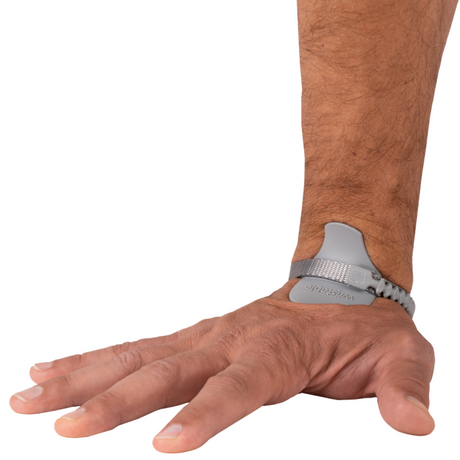
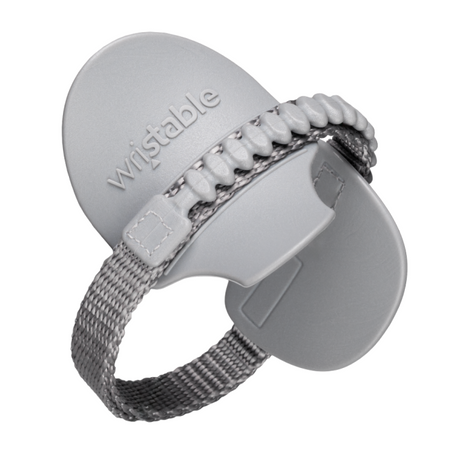
WristWidget® TFCC Brace |
Athletes, climbers, golfers, tennis players and weight-bearing activities | Lightweight and low-profile. Supports the radius and ulna during gripping and weight-bearing while allowing full wrist range of motion. | |
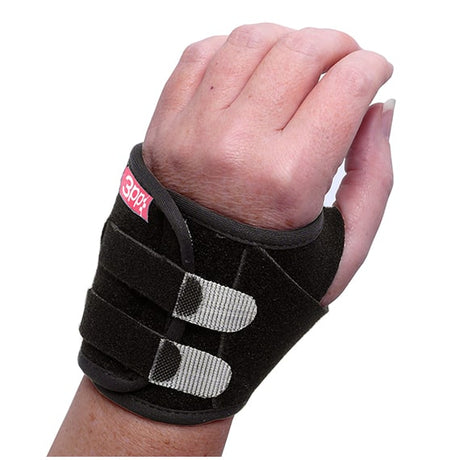
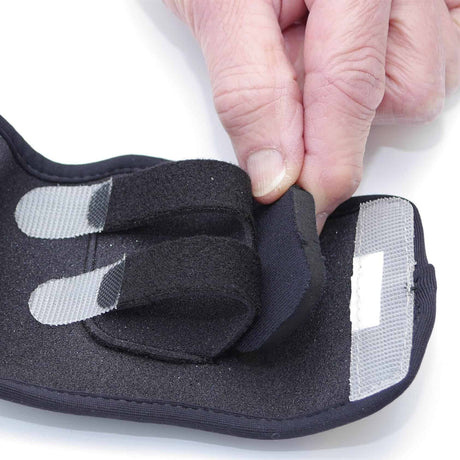
Ulnar Booster™ Wrist Splint |
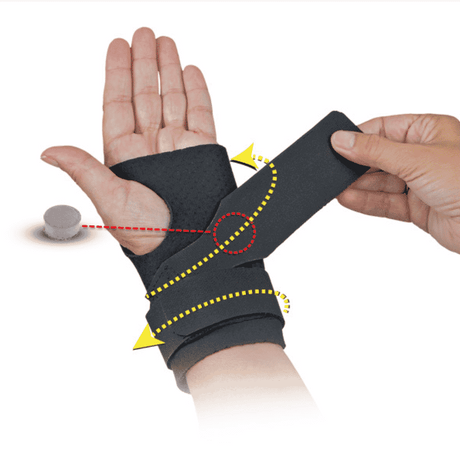
Persistent ulnar-sided wrist pain, TFCC pathology, ECU tendonitis and midcarpal instability | Uses a counterforce design to support the ulnar side of the wrist and stabilize the carpal region. Provides greater coverage than a low-profile wrist strap. | |
MedSpec TriFib TFCC Wrist Support |
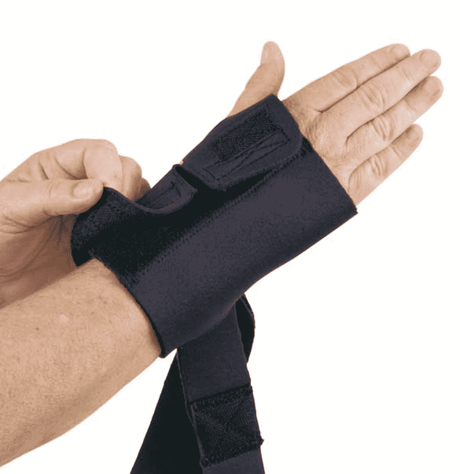
TFCC injuries, DRUJ instability and rehabilitation | Adjustable lace-closure system provides targeted compression and DRUJ stabilization while allowing functional wrist movement. | |
Bullseye™ Wrist Band |
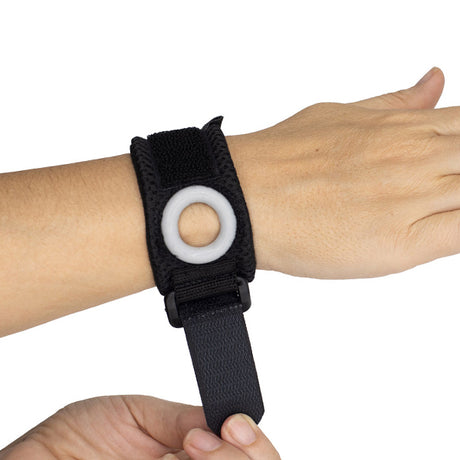
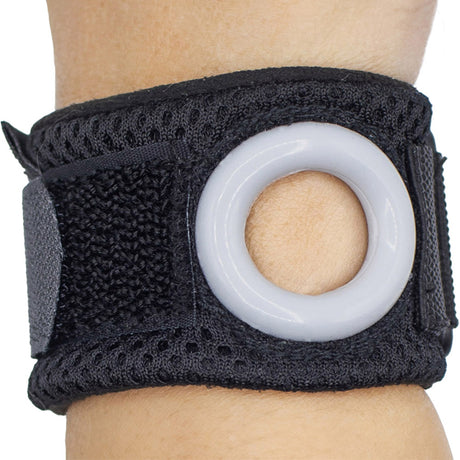
TFCC injury, chronic DRUJ instability and ulnar-sided wrist pain during gripping or rotation | Uses a soft silicone ring around the ulnar head with a padded counterforce strap to provide targeted DRUJ stabilization while maintaining wrist motion. | |
TFCC Support Taping |
Temporary support during rehab, therapy, or sport | Low-profile and fully mobile. Useful for short-term support, but requires correct application and regular re-taping. |
Choosing a TFCC Brace Based on Support and Activity Level
Rather than choosing a brace based on a single “best” option, consider the type of support you need and how the wrist will be used:
- Active lifestyle or weight-bearing activity: The WristWidget is a low-profile option designed to support the radius and ulna while preserving full wrist motion.
- Persistent ulnar-sided wrist pain or midcarpal instability: The Ulnar Booster provides a more substantial counterforce design around the ulnar side of the wrist.
- TFCC injury with DRUJ instability or a need for adjustable compression: The MedSpec TriFib provides targeted DRUJ stabilization while maintaining functional movement.
- Ulnar-sided pain with gripping, pushing, pulling or forearm rotation: The Bullseye Wrist Band provides targeted compression around the ulnar head while allowing wrist range of motion.
- Short-term support during rehab or sport: TFCC taping is a lightweight option for those who need temporary reinforcement without sacrificing mobility.
If you are unsure which TFCC brace is appropriate, particularly after a significant injury, surgery, or when the wrist feels unstable, speak with a physician, physiotherapist, occupational therapist, or hand therapist before choosing the level of support.
Managing a TFCC Tear and Returning to Activity
TFCC injuries are common, but they don't have to sideline you for good. With the right combination of rest, professional guidance, and appropriate bracing, many people are able to manage their symptoms and gradually return to the activities they enjoy.
Returning to gripping, lifting, sport, or wrist weight-bearing should be gradual and based on symptoms, strength, wrist stability, and guidance from your healthcare professional rather than a fixed recovery timeline.
If you're dealing with persistent ulnar-sided wrist pain, browse our full collection of TFCC braces and supports to compare options for different levels of support and activity.
This article is for educational purposes only and is not a substitute for professional medical advice. If you are experiencing persistent wrist pain, consult a qualified healthcare provider for a full evaluation.