
Quick Summary
Hydrocollator moist heat packs don't last forever, and "still getting hot" isn't a reliable sign they're safe to keep using. Watch for five warning signs: bentonite (filler) leakage, damaged or bubbling seams, loss of flexibility, poor heat retention after removal from the unit, and any contamination or visible deterioration — any one of these means it's time to retire the pack. Most packs last around a year or more with proper care, but condition, not age, should drive the replacement decision.
Hydrocollator heat packs are reusable, but they do not last forever. Leaking bentonite, damaged seams, stiffness, poor heat retention, or contamination are all signs that a moist heat pack may need to be replaced.
After 30 years working as both a therapist and in medical sales, I’ve visited hundreds of physiotherapy and chiropractic clinics. In many of them, I’ve lifted the lid on the hydrocollator.
Sometimes, it’s spotless. Clear water. Clean heat packs. Thick, fresh covers folded nearby.
Other times, it takes me straight back to my college fridge: forgotten leftovers and containers that eventually became science projects.
Unfortunately, that’s sometimes what aging Hydrocollator heat packs remind me of.
Why Hydrocollator Heat Packs Get Overlooked
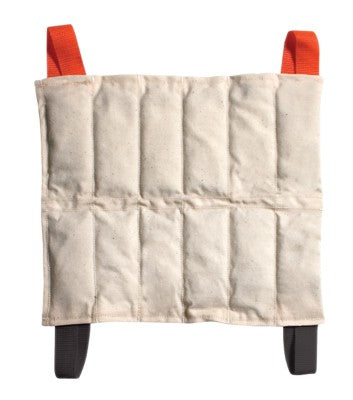
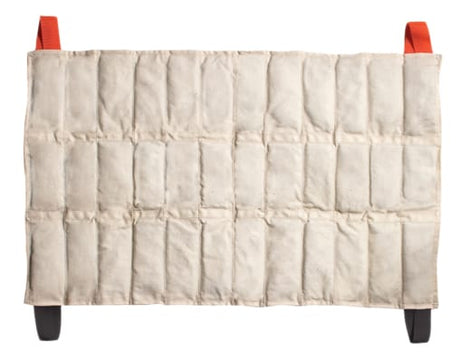
Hydrocollator heat packs are simple, reliable, and used every day in physiotherapy and chiropractic clinics. That is probably why they are so easy to overlook.
“They still get hot.”
“They still work.”
But getting hot doesn't necessarily mean a heat pack is still in good condition. Over time, packs can become stiff, stop conforming properly, develop damaged seams, or begin leaking bentonite into the tank.
5 Signs You Should Replace Your Heat Packs
There isn't a single number of treatments that tells you exactly when every Hydrocollator heat pack needs to be replaced. Condition matters.
Here are five of the clearest signs that it may be time to retire a pack.
1. Bentonite Is Leaking From the Heat Pack
If bentonite or other filler begins escaping from the pack, replace it.
A leaking heat pack doesn't just create a mess. The filler can collect in the Hydrocollator water and leave sediment throughout the tank.
Cloudy water or unusual sediment at the bottom of the unit can therefore be a clue that one of your packs has started deteriorating. Inspect the packs carefully rather than simply changing the water and putting everything back.
2. The Seams Are Damaged, Bubbling, or Separating
Inspect the outer fabric and seams regularly.
A Hydrocollator heat pack that has weakened seams, visible separation, tears, or bubbling is showing signs of wear and should not simply stay in rotation because it still heats up.
Seam deterioration also increases the likelihood of filler leaking into the heating unit.
3. The Heat Pack Has Become Stiff or No Longer Conforms to the Body
A good moist heat pack should remain flexible enough to conform comfortably around the treatment area.
Over time, some packs become stiff, uneven, or develop areas that feel loose or empty.
Once a pack no longer conforms properly to areas such as the shoulder, back, knee, or neck, it may no longer provide the same practical fit it did when it was in better condition.
4. The Pack No Longer Retains Heat Properly
“It still gets hot” isn't the same thing as “it still performs properly.”
A worn Hydrocollator heat pack may heat in the tank but lose heat faster than expected once it is removed for treatment. Loss of heat retention can be another sign that the internal filler or construction of the pack has deteriorated.
5. The Pack Is Damaged, Contaminated, or Can No Longer Be Properly Maintained
Visible deterioration should never be ignored simply because the pack remains warm.
A pack should be removed from service if it is significantly damaged or can no longer be properly maintained. Packs exposed to contamination such as bodily fluids, mold, hazardous materials, or cleaning materials may also need to be replaced according to the manufacturer’s instructions.
In a clinical environment, the condition and cleanliness of equipment matter just as much as whether it technically still works.
“It Still Gets Hot” Isn’t the Standard
In college, if the milk didn’t smell terrible, we took the risk. In clinical practice, “it’s still warm” shouldn’t be the benchmark.
A Hydrocollator heat pack should be in good condition, retain heat appropriately, and remain flexible enough to conform comfortably to the treatment area.
Your setup should include:
- Fully sealed heat packs with no visible leaks
- Packs that remain flexible and conform to the body
- Packs that retain heat as expected
- Properly maintained Hydrocollator water
- Thick, clean covers that provide appropriate insulation
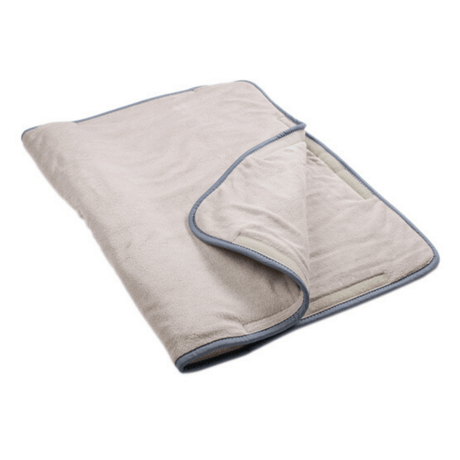
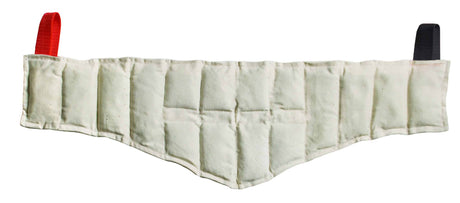
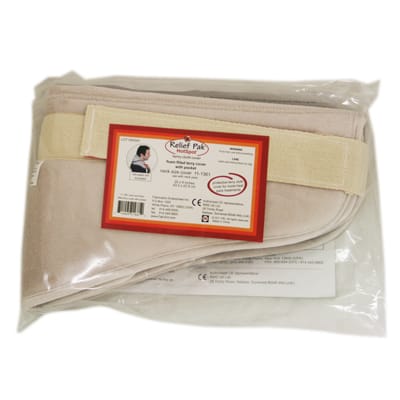
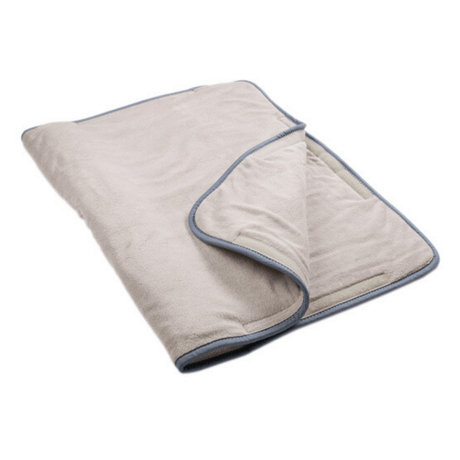
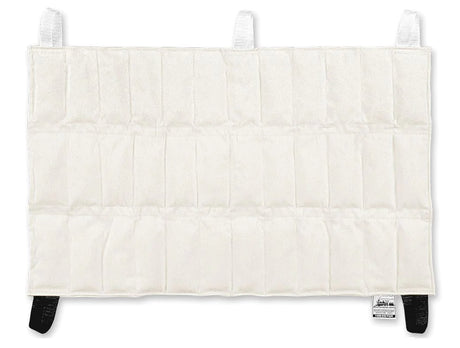
Moist Heat Pack Covers deserve attention too. Repeated washing and use can leave covers thin, worn, stained, or damaged. A proper cover provides insulation between the heated pack and the patient’s skin while improving comfort.
How Long Do Hydrocollator Heat Packs Last?
There is no exact lifespan for every pack, but Hydrocollator heat packs used regularly in a clinic often last around a year or longer depending on use, care, storage, and condition.
The better standard is performance. Replace a pack when it develops leaks, damaged seams, significant stiffness, loose or empty areas, or poor heat retention rather than relying on age alone.
Do Hydrocollator Heat Packs Go Bad?
Yes. Reusable moist heat packs gradually wear out. Fabric and seams can deteriorate, filler can leak, and the pack may become stiff, uneven, or less effective at retaining heat.
Regular inspection is the best way to catch these changes before a worn pack creates problems.
How Many Times Can You Reuse a Moist Heat Pack?
Hydrocollator heat packs are designed for repeated use and can provide hundreds of treatments when properly cared for.
The exact number varies with frequency of use and maintenance. Treatment count alone should not determine replacement; condition, flexibility, sealing, and heat retention matter more.
How Do You Clean Moist Heat Packs?
Follow the cleaning instructions for the specific heat pack you use. Some manufacturer guidance allows cleaning reusable Hydrocollator hot packs with soap and water and recommends returning them to the heated water after use rather than leaving them to dry out.
Cleaning the packs should be part of regular Hydrocollator maintenance. Drain and clean the tank as recommended, change the water regularly, and inspect packs for leaks or deterioration while they are out of the unit.
For a complete routine, read our guide on how to clean and maintain your Hydrocollator.
When Should You Replace a Moist Heat Pack?
There isn't a magic number of months or treatments that applies to every pack. Inspect your heat packs and covers regularly.
Replace a pack if you notice:
- Bentonite or filler leaking
- Damaged or separating seams
- Significant stiffness or loss of flexibility
- Loose or empty sections
- Poor heat retention
- Visible deterioration or contamination
- A pack that can no longer be properly maintained
Covers should also be replaced when they become excessively thin, damaged, or permanently stained.
The Simple Standard I Share With Clinics
I usually put it this way:
If you'd hesitate to use that heat pack on one of your own family members, it's probably time to replace it.
Take a quick look at your Hydrocollator today. You should see clean, flexible packs with intact seams, appropriately maintained water, and thick, clean covers ready for the next patient.
Replacing worn heat packs and covers is a relatively small operational expense, but it can make a meaningful difference in patient comfort, equipment cleanliness, and the overall presentation of your clinic.
Your Hydrocollator doesn't need to look brand new. But it should look like it belongs in a professional healthcare environment, not like a dorm room appliance from 1999.
Keep Your Heating Unit in Good Condition
Replacing worn heat packs is only part of keeping your Hydrocollator performing at its best. Regular cleaning, water changes, pack inspections, and proper maintenance can help keep your unit clean and extend its service life.
For a complete maintenance routine, read our How to Clean and Maintain Your Hydrocollator for Long-Lasting Performance guide.
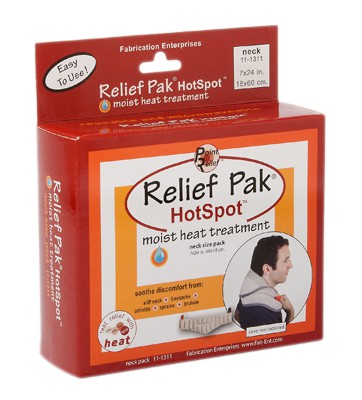
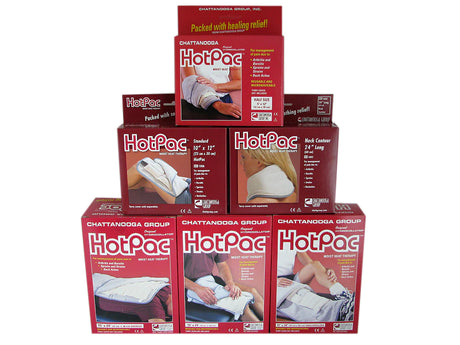
Our REMARKABLE Hydrocollator Heat Packs and Covers offer exceptional value for clinics. Inspect your current setup, retire any packs that have seen better days, and give your Hydrocollator or heating unit a much-needed refresh.