
Quick Summary
EMTT and PEMF are both non-invasive electromagnetic therapies, but they differ in how electromagnetic energy is generated and delivered. EMTT uses high-frequency, high-energy electromagnetic pulses designed specifically for musculoskeletal treatment — approximately 100–300 kHz, with effective transduction output above 60 kT/s and measured stimulation depth up to approximately 18 cm. PEMF is a broader category of pulsed electromagnetic therapies with varying frequencies, field strengths and treatment protocols. No head-to-head trial has established that either is universally superior.
EMTT vs. PEMF: What’s the Difference for MSK Therapy?
Electromagnetic therapies are increasingly used in orthopaedics, sports medicine, physiotherapy and pain management. Two terms that often appear together are Extracorporeal Magnetotransduction Therapy (EMTT) and Pulsed Electromagnetic Field therapy (PEMF).
Although both technologies use pulsed electromagnetic fields and are non-invasive, EMTT and PEMF should not be considered interchangeable. They differ significantly in their physical parameters, including oscillation frequency, field characteristics and the rate at which the magnetic field changes.
EMTT was developed specifically as a high-energy electromagnetic treatment for musculoskeletal conditions, while PEMF describes a much broader family of electromagnetic therapies with considerable variation between devices and treatment protocols.
Importantly, there are currently no direct head-to-head clinical trials demonstrating that EMTT is universally superior to PEMF, or vice versa. The most useful comparison therefore comes from examining the technologies themselves, the available clinical research and how each may fit into musculoskeletal practice.
Swipe sideways to view the full table on mobile.
| Comparison | EMTT | Conventional PEMF |
|---|---|---|
| Technology | High-energy extracorporeal magnetotransduction therapy | Pulsed electromagnetic field therapy |
| Oscillation Frequency | 100–300 kHz | Typically substantially lower-frequency; protocols vary widely |
| Magnetic Field Strength | High-intensity; approximately 80–150 mT reported in EMTT literature | Typically lower-intensity; commonly microtesla to low-millitesla ranges, although higher-intensity systems exist |
| Effective Transduction Power | >60 kT/s | Generally lower than EMTT; not consistently reported or standardized across PEMF devices |
| Reported Stimulation Depth | Up to approximately 18 cm | No single validated penetration-depth figure applies across PEMF systems |
| Typical Application | Targeted musculoskeletal treatment | Broad range of applications depending on PEMF system |
| Treatment Delivery | Targeted handheld applicator | Commonly coils, pads or mats |
| Use With ESWT | Specifically studied as a complementary treatment with ESWT | Not a standardized combination; depends on system and protocol |
The important distinction is that EMTT vs. PEMF is not adequately described by magnetic field strength alone. EMTT is differentiated by parameters such as its rapid field change/transduction rate, oscillation frequency, pulse characteristics, and resulting electromagnetic field.
EMTT produces extremely rapid changes in the electromagnetic field. STORZ MEDICAL reports oscillation frequencies of approximately 100–300 kHz, with multiple rapid oscillations occurring within an individual pulse and an effective transduction output greater than 60 kT/s.
PEMF is much harder to define with a single specification because the term encompasses many different technologies. Frequencies, magnetic field strengths, pulse shapes and treatment protocols can differ substantially between PEMF systems.
For that reason, clinicians should be cautious about statements such as “PEMF only works superficially” or assigning one universal penetration depth to PEMF. The specifications and evidence for the individual device matter.
How Deep Can EMTT Reach?
One of the more interesting characteristics of EMTT is its ability to generate electromagnetic stimulation at considerable tissue depth. Quantitative measurements referenced by STORZ MEDICAL have demonstrated electromagnetic stimulation at depths of up to approximately 18 cm.
That makes the technology particularly interesting when clinicians are treating deeper musculoskeletal structures, including areas around the:
- Hip
- Lumbar spine
- Deep tendon attachments and entheses
- Larger joints
- Deeper soft-tissue structures
However, greater penetration does not automatically mean a better clinical result.
Treatment outcomes are influenced by the underlying diagnosis, tissue being treated, treatment parameters, patient characteristics and overall rehabilitation strategy.
The more meaningful takeaway is that EMTT's physical characteristics allow electromagnetic stimulation to reach structures that can be relatively deep beneath the skin.
What Does the Research Say About EMTT?

The clinical evidence surrounding EMTT is still developing, but several prospective and randomized studies have investigated the technology in musculoskeletal conditions including knee osteoarthritis, rotator cuff disorders, Achilles tendinopathy and chronic low back pain.
One of the most significant recent studies was a randomized, double-blind, placebo-controlled trial involving 126 patients experiencing pain associated with knee osteoarthritis, rotator cuff enthesopathy or lumbar spondyloarthrosis.
Participants received either EMTT or sham treatment once per week for eight weeks. At both six and twelve weeks, patients receiving EMTT demonstrated better physical-component scores and lower pain scores than the sham-treatment group. Mild discomfort and temporary skin redness were reported more frequently with EMTT.
The study adds higher-quality clinical evidence to a research base that previously consisted largely of smaller prospective and randomized studies.
Research has also investigated EMTT in chronic Achilles tendinopathy and non-specific low back pain.
At the laboratory level, researchers are exploring potential biological effects of EMTT on musculoskeletal cells. Recent studies have reported effects involving tenocyte proliferation, migration and extracellular matrix production, as well as increased osteoblast activity and matrix mineralization.
These findings are promising, but it is important to distinguish laboratory evidence from proven clinical tissue regeneration in patients. More research is required to understand exactly how these cellular effects translate into clinical outcomes.
What Does the Research Say About PEMF?
PEMF has been studied for considerably longer and across a wider variety of applications.
The challenge is that PEMF is not one standardized treatment. Different research studies can use very different frequencies, magnetic field strengths, waveforms, treatment durations and devices.
For example, a 2020 systematic review and meta-analysis of randomized placebo-controlled trials examining PEMF for osteoarthritis found improvements in pain, stiffness and physical function. The authors also noted that the available evidence was primarily related to short-term outcomes.
This illustrates why PEMF should generally be evaluated according to the specific device, treatment parameters and indication being studied, rather than assuming results from one PEMF system apply to every other system.
EMTT vs. PEMF: Why Frequency and Transduction Matter

One of the characteristics that most clearly separates EMTT from many conventional electromagnetic therapies is the rate at which its electromagnetic field changes.
EMTT uses oscillation frequencies of approximately 100–300 kHz combined with extremely rapid rise times. According to STORZ MEDICAL, these characteristics produce multiple rapid magnetic oscillations within each treatment pulse.
This is significantly different from many PEMF technologies, which typically produce slower electromagnetic pulses.
STORZ MEDICAL also reports an effective transduction output of more than 60 kT/s for EMTT.
These physical characteristics are one reason EMTT is positioned specifically as a high-energy clinical technology for musculoskeletal medicine, rather than simply another general magnetic field therapy.
Watch: EMTT vs. PEMF Explained
For a visual explanation of some of the differences between conventional PEMF technologies and EMTT, Dr. Jason Han discusses the two approaches in the video below:
Watch EMTT vs. PEMF: Why Your Mat Can't Heal Your Injury
The video provides a useful overview, although clinicians should remember that PEMF devices vary considerably, so specifications should always be evaluated device by device.
What Does EMTT Treatment Feel Like?
Another advantage from a clinical workflow perspective is that EMTT treatment is generally straightforward.
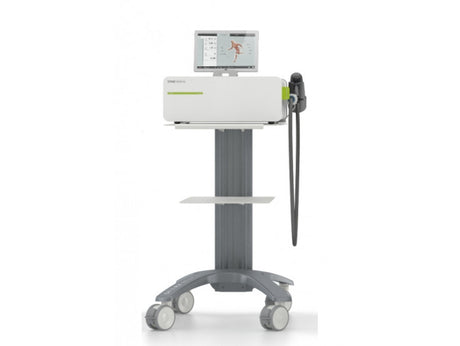
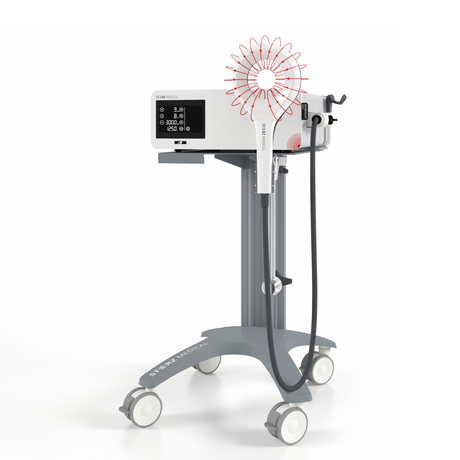
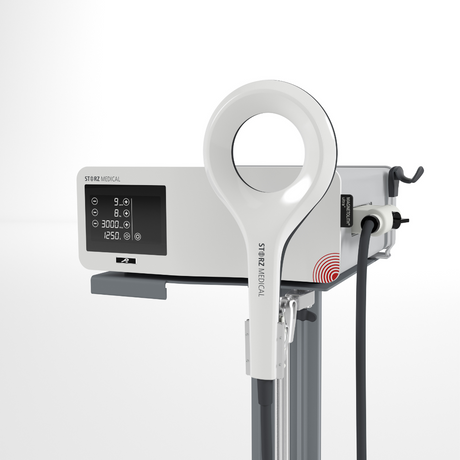
With the STORZ MEDICAL MAGNETOLITH ultra+, the treatment applicator is positioned over the target area while electromagnetic pulses are delivered into the tissue.
Patients can typically remain fully clothed, and treatment does not normally produce the visible involuntary muscle contractions associated with some other forms of electromagnetic stimulation.
The applicator can also be positioned using an articulating arm, allowing treatment to be delivered hands-free once the patient has been appropriately positioned.
This can make EMTT relatively easy to incorporate into a busy physiotherapy, sports medicine, chiropractic or orthopaedic clinic.
EMTT and Shockwave Therapy
One of the most interesting clinical applications of EMTT is its use alongside Extracorporeal Shock Wave Therapy (ESWT).
Shockwave therapy provides a mechanical stimulus to musculoskeletal tissue, while EMTT uses rapidly changing electromagnetic fields. Because the technologies operate differently, researchers have investigated whether combining the two could provide additional benefits in certain conditions.
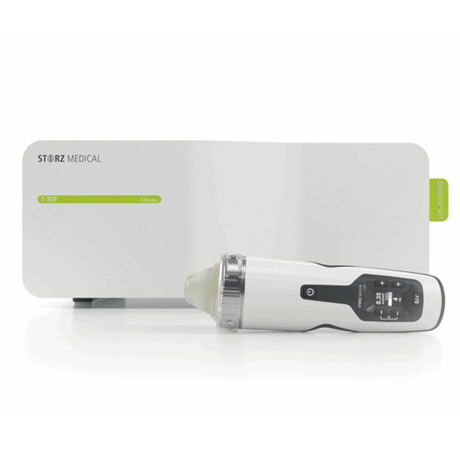
A randomized controlled trial involving 86 patients with rotator cuff tendinopathy compared ESWT plus EMTT with ESWT plus sham EMTT.
Patients received three sessions of ESWT combined with eight EMTT or sham-EMTT treatments. The group receiving the combined ESWT and EMTT treatment demonstrated greater improvements in pain and function during follow-up.
This does not mean that every shockwave treatment should automatically be combined with EMTT. However, it provides an interesting clinical rationale for clinics already treating musculoskeletal conditions with shockwave therapy.
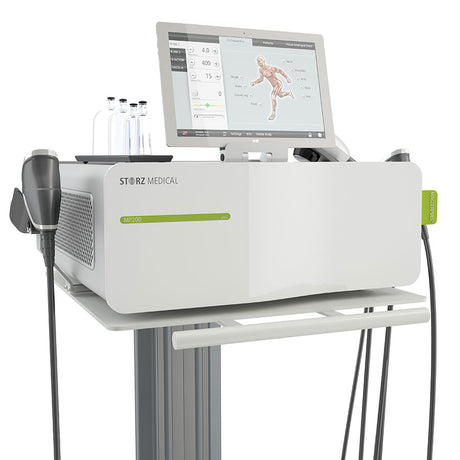
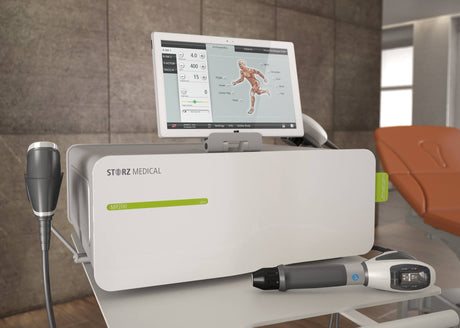
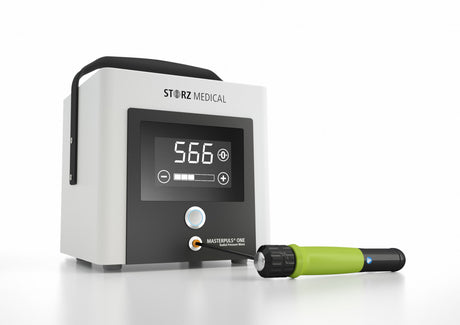
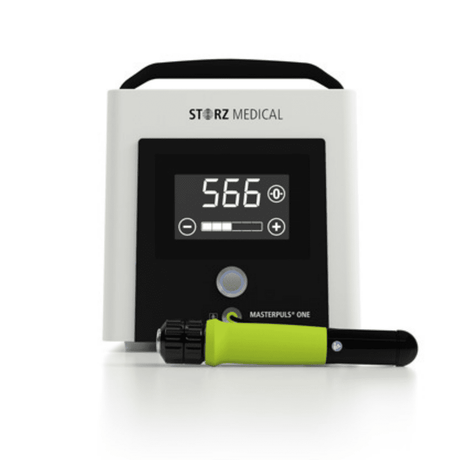
Remington Medical supplies both STORZ MEDICAL MAGNETOLITH EMTT and STORZ MEDICAL Shockwave Therapy Systems in Canada.
EMTT or PEMF: Which Is Better?
There currently isn't enough evidence to declare one therapy universally better than the other.
Instead, clinicians should ask:
What technology and treatment protocol best matches the condition, treatment objective and clinical environment?
PEMF has a larger and longer-established research history across a broad range of devices and applications.
EMTT represents a more specific high-energy, high-frequency approach designed for musculoskeletal medicine, with growing clinical evidence supporting its use in conditions such as degenerative joint disease, tendinopathies and chronic low back pain.
For clinics treating musculoskeletal conditions, some of EMTT's most notable characteristics include:
- High oscillation frequencies of approximately 100–300 kHz
- Effective transduction output greater than 60 kT/s
- Measured electromagnetic stimulation at depths of up to approximately 18 cm
- Non-invasive treatment that can typically be performed through clothing
- Hands-free clinical application with the MAGNETOLITH system
- Growing evidence across several musculoskeletal conditions
- Ability to integrate alongside ESWT treatment strategies
Ultimately, EMTT and PEMF should not be used as interchangeable terms. Understanding the underlying physical parameters, available clinical evidence and treatment protocol is far more useful than simply comparing the therapies based on the fact that both use electromagnetic fields.
For clinics interested in adding electromagnetic therapy to their musculoskeletal treatment offering, learn more about the STORZ MEDICAL MAGNETOLITH ultra+ EMTT system or read our guide to how EMTT therapy is being used for musculoskeletal pain.
References
-
Gerdesmeyer L, et al. Prospective double blinded placebo controlled trial of high energetic magneto transduction therapy in shoulder joint enthesiopathies. Sports Orthopaedics and Traumatology. 2023.
-
Gerdesmeyer L, Saxena A, Klueter T, et al. Electromagnetic Transduction Therapy for Achilles Tendinopathy: A Preliminary Report on a New Technology. Journal of Foot & Ankle Surgery. 2017;56(5):964–967.
-
Krath A, et al. Electromagnetic transduction therapy in non-specific low back pain: A prospective randomised controlled trial. Journal of Orthopaedics. 2017;14(3):410–415.
-
Klüter T, et al. Electromagnetic transduction therapy and shockwave therapy in 86 patients with rotator cuff tendinopathy: A prospective randomized controlled trial. Electromagnetic Biology and Medicine. 2018;37(4):175–183.
-
Hollander K, et al. Extracorporeal magnetotransduction therapy (EMTT) for management of musculoskeletal disorders: A double-blind, placebo-controlled, randomised trial. Journal of Back and Musculoskeletal Rehabilitation.
-
Mancini M, et al. Evidence for Senolytic-like Effects and Matrix Remodeling: EMTT Enhances Tenocyte Regenerative Potential. International Journal of Molecular Sciences. 2025.
-
Gerdesmeyer L, et al. Extracorporeal Magnetotransduction Therapy as a New Form of Electromagnetic Stimulation for Matrix Mineralization and Bone Healing. Biomedicines. 2024.
-
Yang X, et al. Effects of Pulsed Electromagnetic Field Therapy on Pain, Stiffness, Physical Function, and Quality of Life in Patients With Osteoarthritis: A Systematic Review and Meta-Analysis of Randomized Placebo-Controlled Trials. Physical Therapy. 2020;100:1118–1131.
Frequently Asked Questions About EMTT and PEMF
Is EMTT the same as PEMF?
No. EMTT and PEMF are not the same treatment and should not be used as interchangeable terms. EMTT (Extracorporeal Magnetotransduction Therapy) is a specific high-energy technology developed for musculoskeletal medicine, operating at approximately 100–300 kHz. PEMF describes a much broader family of pulsed electromagnetic field devices whose frequencies, field strengths and treatment protocols vary substantially from system to system.
How deep does EMTT penetrate?
Quantitative measurements referenced by STORZ MEDICAL have demonstrated electromagnetic stimulation at depths of up to approximately 18 cm. This makes EMTT of particular interest when treating deeper musculoskeletal structures such as the hip, lumbar spine, larger joints and deep tendon attachments. Greater penetration depth does not automatically mean a better clinical outcome, which also depends on diagnosis, treatment parameters and rehabilitation strategy.
Is EMTT better than PEMF?
There are currently no direct head-to-head clinical trials demonstrating that EMTT is universally superior to PEMF, or vice versa. PEMF has a longer and larger research history across a wide range of devices and applications. EMTT is a more specific high-energy approach designed for musculoskeletal medicine, with growing clinical evidence. The more useful question is which technology and protocol best matches the condition, treatment objective and clinical environment.
What does EMTT treatment feel like?
EMTT treatment is generally straightforward for the patient. The applicator is positioned over the target area while electromagnetic pulses are delivered into the tissue. Patients can typically remain fully clothed, and treatment does not normally produce the visible involuntary muscle contractions associated with some other forms of electromagnetic stimulation. Mild discomfort and temporary skin redness have been reported in clinical trials.
What conditions has EMTT been studied for?
Prospective and randomized studies have investigated EMTT in musculoskeletal conditions including knee osteoarthritis, rotator cuff disorders, Achilles tendinopathy and chronic low back pain. A randomized, double-blind, placebo-controlled trial of 126 patients reported better physical-component scores and lower pain scores in the EMTT group compared with sham treatment at both six and twelve weeks.
Can EMTT be combined with shockwave therapy?
Yes, and the combination has been studied directly. A randomized controlled trial involving 86 patients with rotator cuff tendinopathy compared ESWT plus EMTT against ESWT plus sham EMTT. Patients received three shockwave sessions combined with eight EMTT or sham treatments, and the combined group demonstrated greater improvements in pain and function during follow-up. This does not mean every shockwave treatment should automatically be combined with EMTT.
Can EMTT be delivered hands-free in a clinic setting?
Yes. With the STORZ MEDICAL MAGNETOLITH ultra+, the applicator can be positioned using an articulating arm, allowing treatment to be delivered hands-free once the patient has been appropriately positioned. This makes EMTT relatively straightforward to incorporate into a busy physiotherapy, sports medicine, chiropractic or orthopaedic clinic.
Where can Canadian clinics get an EMTT system?
Remington Medical is the Canadian supplier for the STORZ MEDICAL MAGNETOLITH ultra+ EMTT system, and also supplies STORZ MEDICAL shockwave therapy systems across Canada. Clinics interested in adding EMTT to their musculoskeletal treatment offering can view the MAGNETOLITH ultra+ or contact our team to discuss clinical fit and pricing.